Website
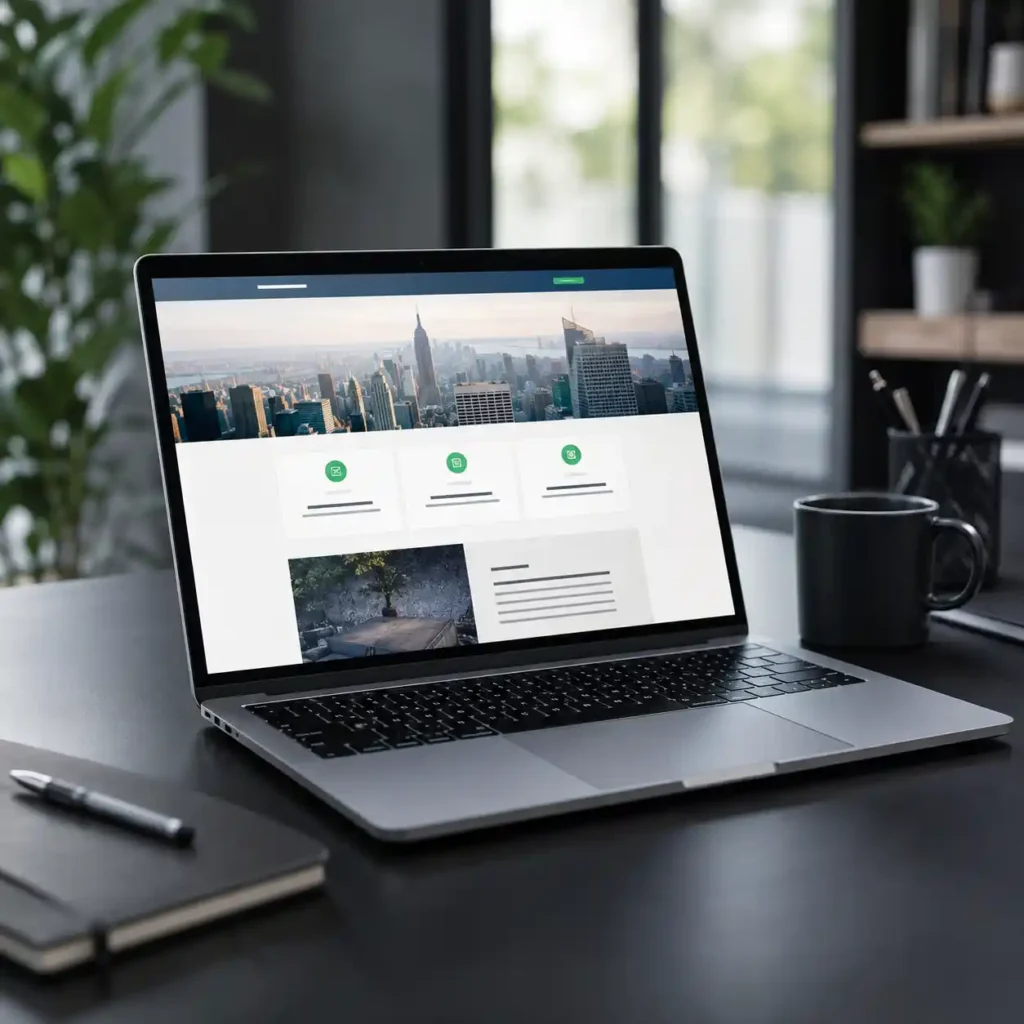
Your Digital Headquarters
What I build: A WordPress website for regular publishing, keyword-driven content, audience pain points, proof, and clear paths to your offers. Domain, reliable hosting, and hosting management are available.
Why you need it: Turn your website into more than a business card. Explain what you solve, answer questions, prove your value, and build search visibility.
Outcome: An owned digital property that builds authority, attracts the right audience, and creates opportunities.
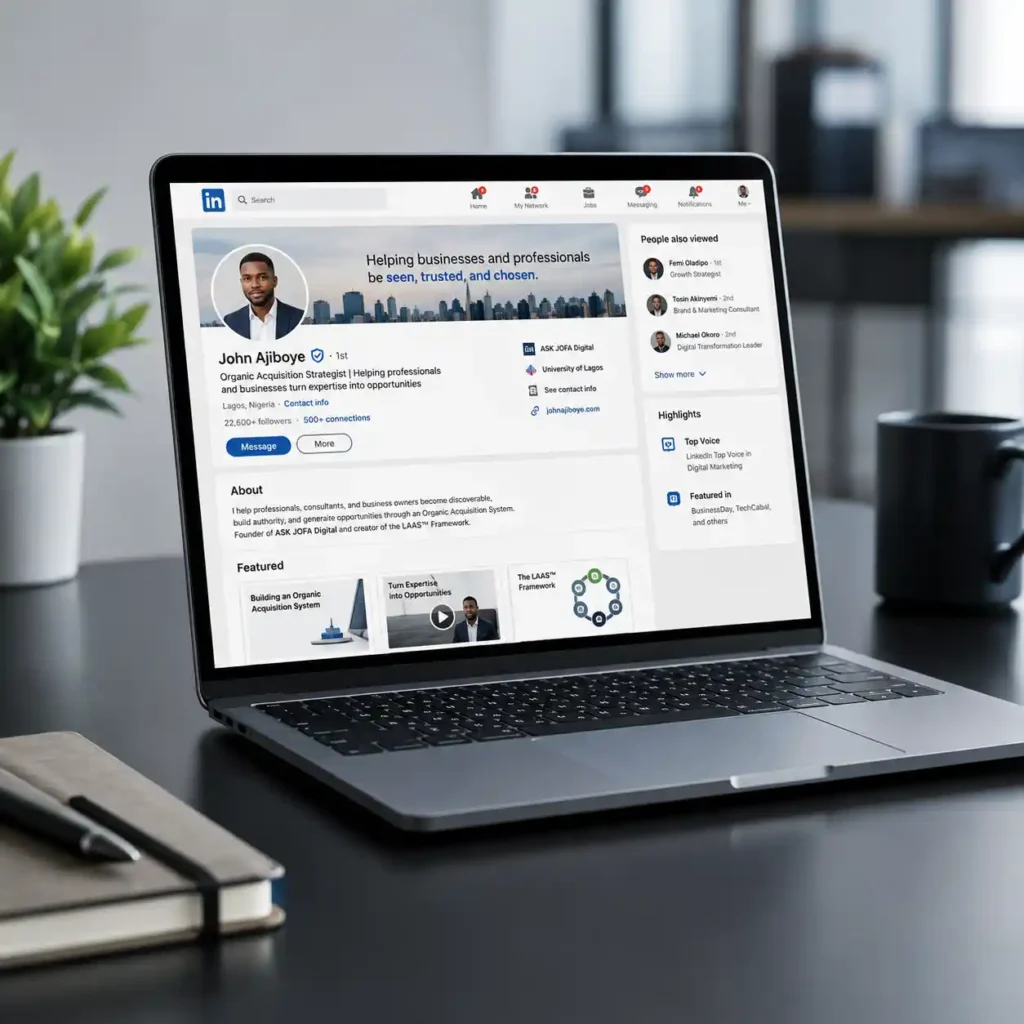
Your Professional Authority
What I build: A complete LinkedIn presence with your banner, profile, headline, About, featured content, CTA, and a posting system built around relevant audience topics, scheduling, strategic comments, and AI-assisted content.
Why you need it: Show employers, clients, and customers what you know, the problems you solve, and why they should trust you before they contact you.
Outcome: A professional presence that gets you noticed, builds trust, and moves the right people toward your CTA or website.
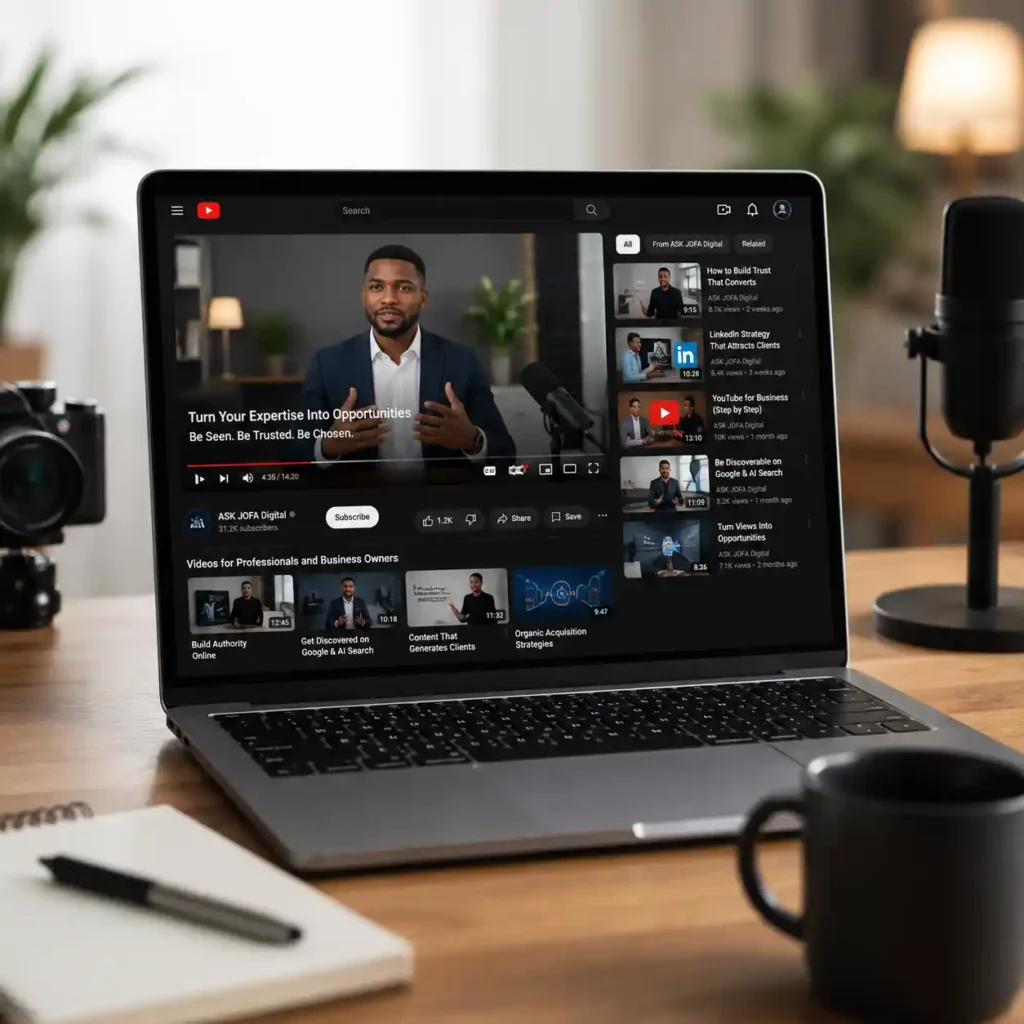
YouTube
Your Video Acquisition Engine
What I build: A YouTube acquisition system covering channel setup, review, video SEO, keywords, titles, descriptions, thumbnails, CTAs, and AI-assisted content planning and scheduling.
Why you need it: Stop chasing views and subscribers that do not matter. Build around the questions, problems, and buying interests of people who need what you offer.
Outcome: A video channel that attracts the right audience, builds trust, and creates opportunities to get hired, get clients, and get customers.
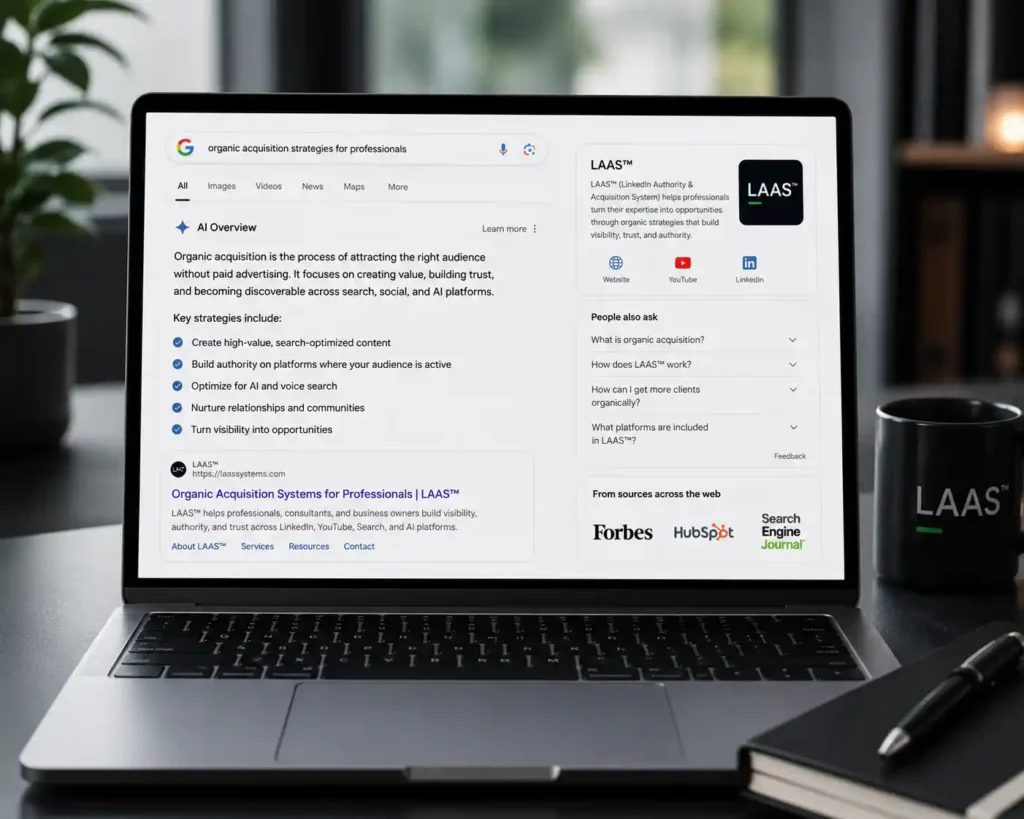
Google & AI Search
Your Search Discoverability
What I build: I optimize your website, LinkedIn, YouTube, and content using SEO, AEO, and GEO so Google and AI systems can understand your expertise, surface your content, and potentially cite you when people search for what you offer.
Why you need it: People now search Google, ask AI, watch videos, read profiles, and compare businesses before making decisions. Your digital presence must be built for this new search reality.
Outcome: Get discovered by people already looking for the problems you solve, then move them toward your website, content, or offer.
Legal Note: Logos are owned by their respective brands; their display represents verified active or completed sponsorship engagements and does not constitute an endorsement or partnership of LAAS™ or ASK JOFA Digital.
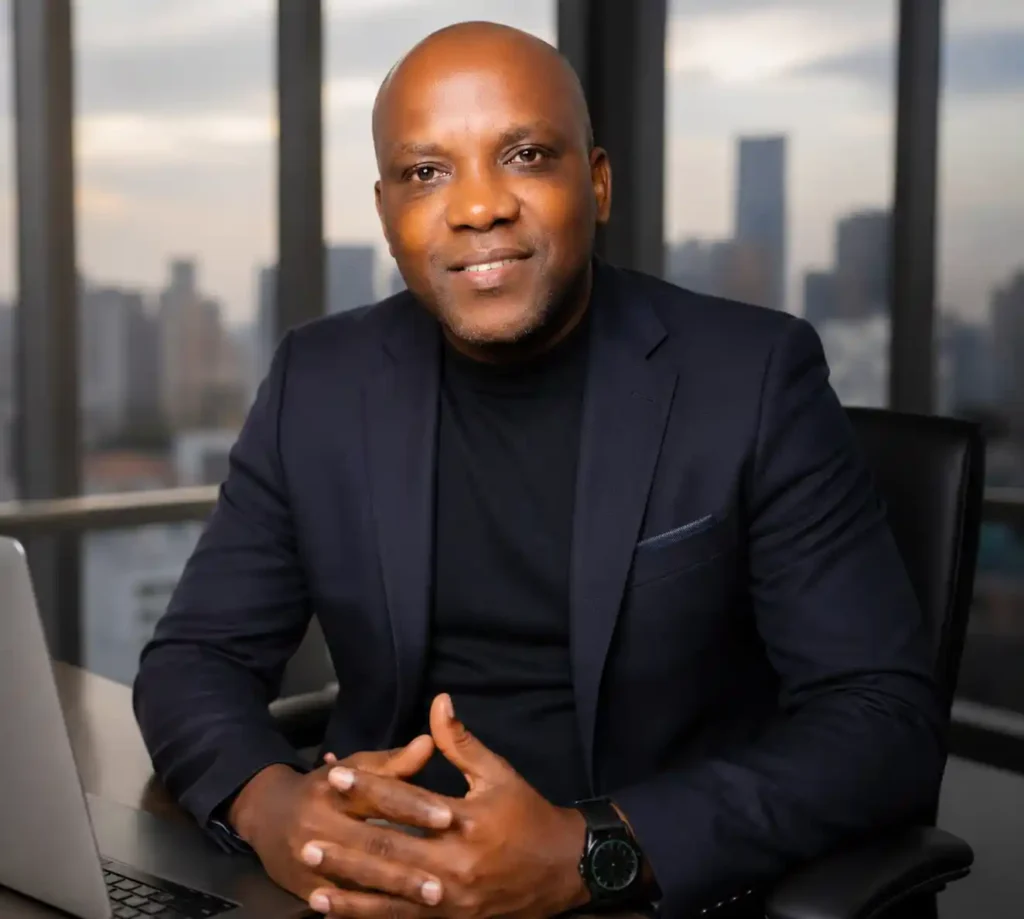
Meet John Ajiboye
Before founding ASK JOFA Digital and LAAS™ Systems, I spent 19+ years in institutional banking, where trust, risk, and customer acquisition were business fundamentals. Today, I help professionals, consultants, and SMEs turn their expertise into discoverability, trust, and opportunities through Organic Acquisition.